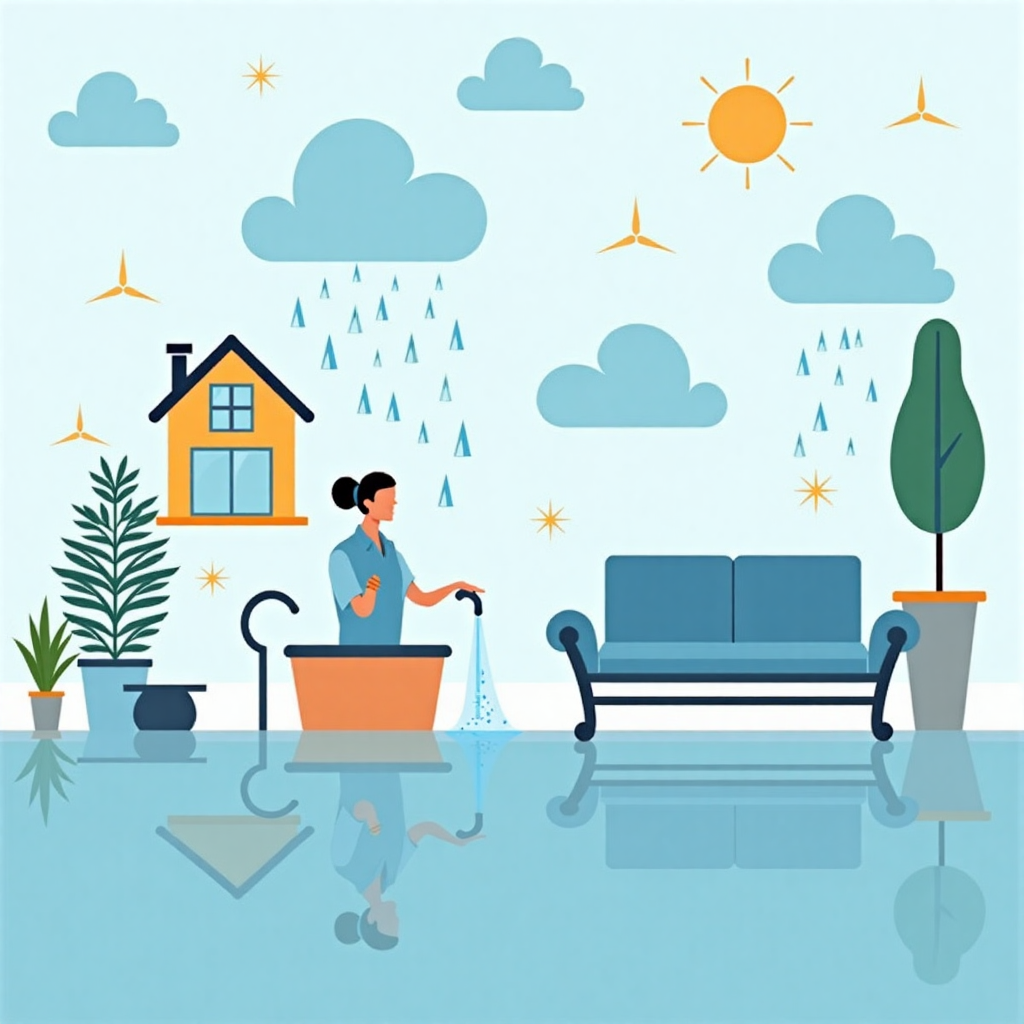
Water Conservation at Home: Rainwater Collection, Low-Flow Fixtures, and Everyday Habits to Reduce Water Waste
Water is the foundation of a healthy home and a thriving community, yet it is easy to take for granted every time we turn on a tap. In many regions, fresh water is becoming increasingly scarce due to population growth, climate variability, aging infrastructure, and rising demand. The good news is that meaningful change can begin right at home. By focusing on water conservation at home, you can lower your utility bills, reduce pressure on local water supplies, and develop a more sustainable relationship with this essential resource. Three practical strategies stand out: installing a rainwater collection system, upgrading to low-flow fixtures, and committing to daily habits that reduce water waste. Together, these actions create a comprehensive approach that benefits both your household budget and the environment.
Many homeowners assume that saving water requires major lifestyle sacrifices or expensive renovations. In reality, small adjustments can produce impressive results. A dripping faucet can waste more than 3,000 gallons per year. A running toilet can waste up to 200 gallons per day. Meanwhile, a simple rain barrel can capture hundreds of gallons of free water for your garden, and a low-flow showerhead can cut water use in the shower by nearly half without reducing comfort. This article explores how to combine these solutions into an effective water-saving plan, offering detailed guidance for beginners and experienced conservationists alike.
Why Water Conservation at Home Matters
Fresh water is a limited resource. Although about 71 percent of the Earth’s surface is covered by water, only a small fraction is available as fresh, accessible groundwater or surface water. According to the United States Environmental Protection Agency, the average American family uses more than 300 gallons of water per day at home, with roughly 70 percent of that use occurring indoors. Reducing that number can ease the strain on municipal treatment plants, lower energy consumption associated with pumping and heating water, and help protect rivers, lakes, and aquifers from overuse.
Beyond environmental benefits, water conservation at home has direct financial advantages. Water utilities often charge based on volume, so using less water translates into lower monthly bills. If you heat water with electricity or gas, cutting hot water use can also reduce your energy bills. Additionally, homes with water-efficient fixtures and smart outdoor water practices may be more attractive to eco-conscious buyers. By reducing peak demand, you also help your community delay or avoid costly investments in new water infrastructure, which can keep long-term rates more stable for everyone.
Conservation is not just about scarcity; it is also about resilience. Storms, droughts, and supply disruptions can interrupt municipal water service. Households that practice conservation and maintain backup sources such as rainwater storage are better prepared for these unexpected events. Whether you live in a drought-prone area or a region with abundant rainfall, using water wisely is a responsible practice that ensures more water remains available for ecosystems, agriculture, and future generations.
Rainwater Collection: Harnessing Nature’s Supply
Rainwater collection is one of the oldest and most effective ways to supplement your household water needs. Instead of allowing rain to run off your roof and into storm drains, you capture it for later use. Rainwater is naturally soft, free of many chemicals found in treated tap water, and ideal for irrigation, washing outdoor surfaces, and even some indoor non-potable uses. With the right setup, you can significantly reduce your dependence on municipal water for outdoor chores, which often account for a large share of residential water use during warmer months.
What Is Rainwater Collection?
Rainwater collection, also called rainwater harvesting, is the practice of collecting and storing rain from rooftops, driveways, or other catchment surfaces. A basic system includes a catchment area, gutters and downspouts, a screen or filter to remove debris, and a storage container such as a barrel or cistern. The stored water can then be used for landscaping, gardening, or other non-drinking purposes. While some advanced systems treat rainwater to potable standards, most residential setups focus on outdoor use to keep costs and maintenance simple.
Types of Rainwater Collection Systems
There are two main categories of residential rainwater collection systems: passive and active. Passive systems use gravity and landscape design to direct water where it is needed, such as rain gardens, swales, or infiltration basins. Active systems collect water in tanks or barrels and store it for later use. Both approaches can work together to maximize water savings.
- Rain barrels: These are the simplest and most affordable option. A 50- to 80-gallon barrel connects to a downspout and captures runoff from your roof. The barrel has a spigot for filling watering cans or attaching a hose.
- Above-ground cisterns: For larger storage capacity, above-ground tanks can hold several hundred to several thousand gallons. They are often made of polyethylene, metal, or fiberglass and may require a pump for distributing water.
- Underground cisterns: These systems store water below ground, which saves space and protects water from temperature extremes. They are more expensive to install but can hold large volumes and are less visible in the landscape.
- Rain gardens and swales: These landscaped features allow rainwater to soak into the ground gradually, recharging groundwater and reducing stormwater runoff. They are especially useful for managing overflow from barrels or cisterns.
Benefits and Considerations
The benefits of rainwater collection go beyond lowering your water bill. Capturing rain reduces stormwater runoff, which can carry pollutants such as fertilizers, oil, and sediment into local waterways. It also helps prevent erosion and flooding around your property. For gardeners, rainwater is often better for plants because it is free of chlorine and other water treatment chemicals. During drought or watering restrictions, stored rainwater can keep trees, shrubs, and vegetable gardens alive without drawing on the municipal supply.
Before installing a rainwater collection system, consider your local climate, roof material, and intended water use. Roofs made of asphalt shingles, metal, or tile can all be used, but some materials may leach contaminants that make water unsuitable for edible plants. Check local regulations, as some areas encourage rainwater harvesting with rebates or tax incentives, while others have restrictions on storage capacity or potable use. Regular maintenance is also important: clean gutters, inspect screens, and empty barrels before winter in freezing climates to prevent cracking.
Low-Flow Fixtures: High Efficiency, Low Waste
Upgrading to low-flow fixtures is one of the fastest ways to cut indoor water use without changing your daily routine. Modern low-flow products are designed to deliver strong water pressure while using significantly less water than older models. If your home still has fixtures from before the 1990s, you could be using two to three times more water than necessary. Replacing outdated toilets, showerheads, and faucets can save thousands of gallons per person each year.
Low-Flow Showerheads
Showers are typically one of the largest indoor uses of water. Older showerheads may flow at 5 gallons per minute (GPM) or more. Today’s WaterSense-labeled showerheads use no more than 2.0 GPM, and many high-performance models provide a satisfying spray at even lower flow rates. You can test your current showerhead by placing a bucket marked in gallons under the shower for one minute. If it fills beyond 2 gallons, an upgrade is worth considering.
When choosing a low-flow showerhead, look for models with adjustable spray patterns, pressure-compensating technology, or a pause feature that lets you stop the flow while lathering. Installation is usually simple: unscrew the old showerhead, wrap the threads with plumber’s tape, and screw on the new one. If you rent, a showerhead swap is often reversible and can be a low-cost improvement with immediate savings.
Faucet Aerators and Low-Flow Faucets
Bathroom and kitchen faucets account for a significant share of daily water use. A standard faucet may flow at 2.2 GPM, but adding an aerator can reduce that to 1.5 GPM or less while maintaining a steady stream. An aerator mixes air into the water, giving the sensation of higher pressure with less volume. These small attachments are inexpensive, easy to install, and can be placed on most existing faucets.
For a larger upgrade, consider replacing older faucets with WaterSense-labeled models that use a maximum of 1.5 GPM. In the kitchen, look for faucets with a spray function or touchless controls to help reduce unnecessary running water while rinsing dishes or washing hands. Repairing leaks promptly is equally important, because even a small drip can waste hundreds of gallons over the course of a year.
Low-Flow and Dual-Flush Toilets
Toilets are the single largest indoor water user in most homes, accounting for nearly 30 percent of residential indoor water consumption. Older toilets can use 3.5 to 7 gallons per flush (GPF), while modern high-efficiency toilets use 1.28 GPF or less. That difference adds up to tens of thousands of gallons saved per household each year.
Dual-flush toilets offer two options: a lower-volume flush for liquid waste and a higher-volume flush for solid waste. Many dual-flush models use about 0.8 GPF for liquids and 1.6 GPF for solids. If replacing a toilet is not in your budget, you can reduce water use by placing a filled plastic bottle or a toilet dam in the tank to displace water, but be careful not to interfere with the flushing mechanism. Regularly check for silent leaks by adding a few drops of food coloring to the tank and waiting 15 minutes; if color appears in the bowl, you have a leak that needs repair.
Reduce Water Waste Habits: Daily Actions That Add Up
Even the most efficient fixtures cannot reach their full potential if daily habits waste water. Building a water-conscious routine is about mindfulness and small adjustments that become second nature over time. The goal is not to disrupt your comfort but to eliminate unnecessary use. By making a few intentional changes in the kitchen, bathroom, laundry room, and yard, you can reduce water waste habits that quietly inflate your water bill and strain local resources.
Kitchen Habits
The kitchen offers many opportunities to save water. Instead of rinsing dishes under running water before loading the dishwasher, scrape food scraps into the trash or compost bin. Modern dishwashers are designed to handle food residue, and pre-rinsing can waste gallons per load. Run the dishwasher only when it is full, and choose the eco or light wash setting when possible. If you wash dishes by hand, fill one basin with soapy water and another with rinse water instead of letting the tap run continuously.
When preparing food, wash fruits and vegetables in a bowl of water rather than under a running faucet. You can then use that water for houseplants or outdoor containers. Keep a pitcher of drinking water in the refrigerator instead of waiting for the tap to run cold. For cooking, use only the amount of water you need, and reuse pasta or vegetable cooking water, once cooled, to water plants. Fix leaky kitchen faucets and consider installing a foot pedal or motion-sensor faucet to control water use more precisely.
Bathroom Habits
The bathroom is where many water-saving habits have the greatest impact. Shortening your shower by just two minutes can save up to 5 gallons per shower with a low-flow showerhead, and even more with an older model. Turn off the water while brushing your teeth, shaving, or washing your face. This simple habit can save several gallons per person each day. Teach children to turn taps off tightly and report leaks immediately.
Avoid using the toilet as a trash can. Every flush of tissues, cotton swabs, or other small items wastes water and can cause plumbing problems. Instead, place a small wastebasket in the bathroom. If your toilet has a dual-flush option, use the appropriate setting. Encourage family members to be conscious of flushing only when necessary, especially during drought or when water restrictions are in place.
Laundry and Cleaning Habits
Laundry is another area where water waste can hide. Wash full loads whenever possible, or adjust the water level setting on older machines to match the load size. Front-loading washing machines generally use less water than top-loading models, so if you are in the market for a new machine, look for an ENERGY STAR-certified model with a low water factor. Use cold water for most loads to save energy as well as water, since hot water requires additional resources to heat.
When cleaning your home, use reusable microfiber cloths and a bucket of water rather than a running tap. For floors, wring mops into a bucket and dispose of dirty water outdoors where it can benefit plants, as long as the cleaning products are environmentally safe. If you use a pressure washer, limit its use to necessary tasks, as many pressure washers use several gallons per minute. Sweep driveways and sidewalks with a broom instead of hosing them down.
Outdoor Habits
Outdoor water use can account for more than half of a household’s summer water consumption. To reduce waste, water your lawn and garden early in the morning or late in the evening to minimize evaporation. Use drip irrigation or soaker hoses instead of sprinklers, which lose water to wind and overspray. Group plants with similar water needs together, and choose native or drought-tolerant species that require less supplemental watering.
Check your irrigation system regularly for broken sprinkler heads, clogged emitters, and leaks. Set timers to water deeply but infrequently, encouraging deeper root growth and more resilient plants. Install a rain sensor or smart irrigation controller that adjusts watering based on weather conditions. Collecting rainwater as described earlier can provide a free, sustainable source for outdoor watering. Finally, mulch garden beds to retain soil moisture and reduce the need for frequent watering.
Creating a Holistic Water-Saving Plan
To get the most from your conservation efforts, combine rainwater collection, low-flow fixtures, and mindful habits into a single household plan. Start by assessing your current water use. Review your water bill to understand your baseline usage, and consider conducting a simple home water audit. Check for leaks in toilets, faucets, and outdoor spigots, and note the age and flow rate of your existing fixtures. This information will help you prioritize upgrades that offer the largest savings for your budget.
Next, set realistic goals. You might aim to reduce indoor water use by 20 percent within six months by installing low-flow showerheads and faucet aerators. Then, add a rain barrel to your garden downspout to cut outdoor consumption during the growing season. Involve your entire household in the plan. Explain why water conservation matters, assign age-appropriate responsibilities such as reporting leaks or watering plants with collected rainwater, and celebrate milestones when your water bill drops or your storage tank fills after a storm.
Finally, maintain your systems and adjust your habits over time. Clean gutters and rain barrel screens, replace washers and aerators as needed, and periodically check for new leaks. Revisit your goals each season, because water needs change with weather and household routines. By treating water conservation as an ongoing practice rather than a one-time project, you create lasting benefits for your home, your community, and the environment.
Conserving water at home does not require a complete lifestyle overhaul, but it does require awareness and a willingness to make small changes. Whether you install a rain barrel, replace an old toilet with a high-efficiency model, or simply turn off the tap while brushing your teeth, every action matters. When multiplied across millions of households, these individual efforts can significantly reduce demand on stressed water supplies, protect natural ecosystems, and build a more sustainable future. Start with one change today, and let the results inspire you to do more.