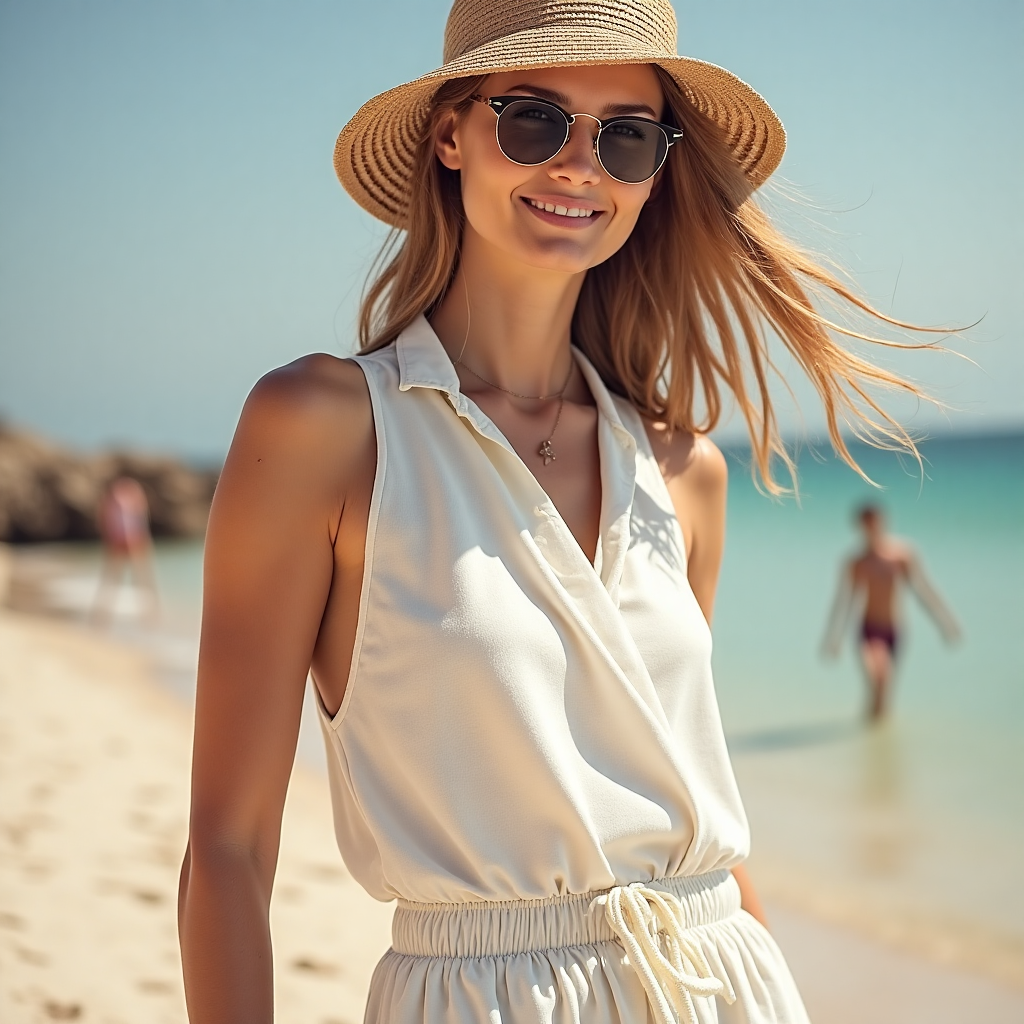
Embrace the Heat: The Ultimate Guide to Summer Sustainable Fashion with Breathable Natural Fabrics and Lightweight Eco Outfits
As temperatures rise, the desire to strip away layers often conflicts with the need to look put together. For anyone who has spent a decade writing about style, it becomes clear that summer fashion is not about wearing less—it is about wearing smarter. The modern approach to hot-weather dressing revolves around lightweight eco outfits made from breathable natural fabrics that keep you cool while reducing your environmental footprint. Sustainable summer fashion is no longer a niche movement; it has become a practical response to climate change, fabric waste, and the demand for clothing that feels as good on the skin as it does on the conscience. This guide explores how to build a warm-weather wardrobe that respects both your body and the planet.
The problem with many conventional summer clothes is their reliance on synthetic fibers. Polyester, nylon, and acrylic are essentially plastics derived from petroleum. While they can be engineered to feel thin and quick-drying, they trap heat against the body and shed microplastics with every wash. In contrast, breathable natural fabrics such as linen, organic cotton, hemp, and lyocell allow air to circulate, wick moisture away from the skin, and decompose naturally at the end of their life. Choosing these materials transforms your summer closet into a collection of lightweight eco outfits that work with your body’s natural cooling system instead of against it.
This article is a complete resource for anyone looking to refresh their summer wardrobe through a sustainable lens. You will learn why natural fibers outperform synthetics in hot weather, how to identify the best breathable fabrics, ways to style lightweight eco outfits for different occasions, and how to care for these garments so they last for many summers to come. By the end, you will have a clear roadmap to dress elegantly and responsibly, even when the sun is unforgiving.
The Urgency of Sustainable Summer Dressing
Fast fashion has conditioned consumers to view summer clothing as disposable. Trend-driven shorts, flimsy dresses, and synthetic tops are often designed for a single season, then discarded. The environmental cost is staggering. The fashion industry is responsible for approximately 10% of global carbon emissions, and a significant portion of that impact comes from the production of cheap, petroleum-based textiles. During summer, sales of lightweight synthetic garments spike, leading to increased plastic fiber production, water pollution from dyeing processes, and overflowing landfills filled with clothes that will never biodegrade.
Sustainable summer fashion offers a different path. It prioritizes materials that are grown or harvested with regenerative methods, produced in facilities with fair labor standards, and designed to be worn repeatedly without losing shape or comfort. When you invest in breathable natural fabrics, you are not only choosing garments that feel cooler against your skin, but you are also supporting agricultural systems that can improve soil health, conserve water, and sequester carbon. Linen comes from flax, a crop that requires significantly less water than cotton and can grow in poor soil. Hemp is a fast-growing plant that naturally resists pests, reducing the need for chemical pesticides. These are not just fashion choices; they are environmental actions.
Moreover, the personal benefits are immediate. A wardrobe built around lightweight eco outfits made from natural fibers will keep you more comfortable in humid climates. Natural fabrics have inherent breathability and moisture management properties that synthetics struggle to replicate. They are less likely to trap odors, they soften beautifully over time, and they offer a textural richness that elevates even the simplest summer silhouette. Sustainability, in this context, is not a compromise—it is an upgrade.
Top Breathable Natural Fabrics for Hot Weather
Understanding which natural materials perform best in summer is the foundation of a sustainable wardrobe. Not all natural fibers are equal when temperatures soar. Wool, for example, is natural but often too insulating in heavy weights. The following fabrics are the gold standard for breathable natural fabric choices that keep you cool while maintaining a low environmental impact.
1. Linen: The Classic Summer Champion
Linen is the undisputed king of summer fabrics. Made from the fibers of the flax plant, linen is a lightweight eco outfit essential because of its open weave and hollow fibers, which allow maximum airflow. It absorbs moisture quickly and dries fast, preventing that sticky, clingy feeling many synthetic fabrics cause. Linen also has a natural stiffness that holds garments away from the body, creating a cooling microclimate between the fabric and your skin.
From an environmental perspective, flax is a remarkably sustainable crop. It requires significantly less water than cotton, needs minimal fertilizers, and every part of the plant can be used, reducing agricultural waste. Linen garments often become softer and more beautiful with each wash, meaning a well-made linen shirt or dress can last a decade or more. The characteristic wrinkles are part of its charm, signaling a relaxed, lived-in elegance that is perfect for summer. For the eco-conscious dresser, investing in high-quality linen trousers, shirts, and dresses is one of the best decisions you can make.
2. Organic Cotton: Soft, Versatile, and Kind to Skin
Conventional cotton is a thirsty crop that relies heavily on pesticides and synthetic fertilizers. Organic cotton, by contrast, is grown without harmful chemicals and uses significantly less water. It is also softer and more breathable than many synthetic blends, making it a staple for summer sustainable fashion. Look for organic cotton voile, lawn, or muslin if you want the airiest feel. These lightweight weaves allow excellent ventilation while providing enough opacity for everyday wear.
Organic cotton is ideal for t-shirts, tank tops, shorts, and relaxed summer dresses. It is gentle on sensitive skin and does not trap heat the way polyester does. To ensure genuine sustainability, check for certifications such as GOTS (Global Organic Textile Standard) or OCS (Organic Content Standard). These labels verify that the cotton was grown and processed according to strict environmental and social criteria, giving you confidence that your lightweight eco outfits are truly responsible.
3. Hemp: The Durable Eco Powerhouse
Hemp is one of the oldest cultivated fibers in human history, and it is making a strong comeback in sustainable fashion. The hemp plant grows rapidly, requires little water, and actually improves soil health by replenishing nutrients. It is naturally resistant to pests, so it needs almost no pesticides. As a fabric, hemp is strong, breathable, and becomes softer with every wash. It has a texture similar to linen but is generally more durable and resistant to sun damage.
For summer, hemp blends are particularly appealing. Pure hemp can feel a bit coarse at first, but when blended with organic cotton or lyocell, it becomes soft and drapey while retaining its cooling properties. Hemp shorts, jumpsuits, and button-down shirts are excellent additions to any collection of lightweight eco outfits. They offer a rugged yet refined aesthetic that works well for outdoor gatherings, travel, and casual office environments.
4. Lyocell and Tencel: The Silky Modern Alternative
Lyocell is a semi-synthetic fiber made from the cellulose of sustainably harvested wood, often eucalyptus. Tencel is the best-known brand of lyocell, produced by Lenzing in a closed-loop process that recycles water and solvents. The result is a fabric that feels silky smooth against the skin, drapes beautifully, and is highly breathable. It wicks moisture effectively and has a natural coolness that makes it perfect for summer dresses, blouses, and lightweight trousers.
While lyocell is not a traditional natural fiber like linen or cotton, it is fully biodegradable and produced with significantly lower environmental impact than conventional viscose or synthetic fabrics. When shopping for lyocell, look for the Tencel label or certifications that confirm responsible forestry practices. This fabric is ideal for those who want breathable natural fabric performance with a more polished, modern look.
5. Ramie and Other Natural Blends
Ramie is another ancient plant fiber that deserves attention in summer wardrobes. It is similar to linen in its breathability and strength, with a slightly silky sheen. It holds its shape well and resists mildew, making it excellent for humid climates. Ramie blends are often used in lightweight jackets, skirts, and tailored shorts. Other natural fibers worth considering include bamboo linen (when processed mechanically rather than chemically) and cupro, though cupro is a regenerated cellulose fiber made from cotton linter. The key is to prioritize fabrics that breathe, biodegrade, and come from renewable sources.
Building Lightweight Eco Outfits That Breathe
Creating a summer wardrobe from sustainable fabrics is about more than swapping polyester for linen. It requires thoughtful design, versatile silhouettes, and a focus on pieces that can be mixed and matched effortlessly. Lightweight eco outfits should be simple in construction but rich in texture, allowing the fabric to do the work. Here are the essential building blocks for a breathable summer wardrobe.
- The Linen Button-Down Shirt: A relaxed, slightly oversized linen shirt in white, beige, or chambray is a workhorse. Wear it open over a tank top, tucked into high-waisted shorts, or knotted at the waist with a midi skirt.
- Organic Cotton T-Shirts and Tanks: Stock up on a few well-fitted organic cotton tees in neutral tones. They form the base of countless casual outfits and can be layered under linen overshirts.
- Wide-Leg Linen Trousers: Wide-leg pants allow air to circulate around your legs and create an elegant silhouette. They can be dressed up with a silk-cotton blouse or kept casual with a simple tank.
- Hemp or Organic Cotton Shorts: Choose tailored shorts with a modest inseam for a polished look, or relaxed drawstring styles for weekends. Natural fabrics prevent the static and sweat buildup common with synthetic shorts.
- A Breathable Midi Dress: A dress made from organic cotton voile, lyocell, or a hemp-cotton blend is the easiest one-step outfit for hot days. Look for adjustable straps or a smocked back for comfort.
- Lightweight Knit or Open-Weave Sweater: For cool evenings, a loosely knit organic cotton or linen-blend sweater adds warmth without feeling heavy.
The Art of Layering in Summer
Layering in summer might sound counterintuitive, but it is actually one of the smartest ways to stay cool and stylish. The trick is to use ultra-light layers made from breathable natural fabrics. A sheer organic cotton shirt over a linen camisole provides sun protection without trapping heat. A linen blazer over a lyocell tank adds polish for air-conditioned offices or evening dinners. When each layer is breathable, air flows between them, and you can easily adjust to changing temperatures throughout the day.
Choose layers that are slightly loose rather than tight. Tight clothing restricts airflow and presses fabric against your skin, making you feel hotter. Loose silhouettes allow your body heat to escape and create a graceful, effortless look. Focus on neutral tones that can be layered without clashing, and let the natural texture of linen, hemp, and cotton add visual interest.
Color Palettes and Styling Tips
Summer sustainable fashion often embraces colors inspired by nature. Think sand, ivory, terracotta, soft sage, sky blue, and warm ochre. These shades not only reflect sunlight better than dark colors, but they also pair beautifully with natural fabric textures. A monochromatic linen outfit in cream or beige looks sophisticated and expensive, while earthy tones highlight the organic quality of hemp and cotton.
When styling lightweight eco outfits, pay attention to proportions. If you wear wide-leg trousers, balance them with a fitted tank or a cropped top. If your dress is voluminous, choose flat sandals or minimalist sneakers to keep the look grounded. Accessories made from natural materials—straw hats, woven bags, cork sandals, and wooden jewelry—complete the sustainable aesthetic while providing practical sun protection. Avoid heavy synthetic accessories that can feel sticky in the heat; instead, opt for items that breathe along with your clothing.
Curating a Sustainable Summer Capsule Wardrobe
A capsule wardrobe is a curated collection of versatile pieces that can be mixed and matched to create numerous outfits. For summer, a sustainable capsule built around breathable natural fabrics might include around 15 to 20 items, excluding underwear and swimwear. The goal is to own fewer, better things that you love and wear repeatedly. This approach reduces consumption, saves money in the long run, and simplifies getting dressed every morning.
Here is a sample list for a summer sustainable fashion capsule that covers casual, work, and evening occasions.
- 2 linen button-down shirts (one white, one striped or chambray)
- 3 organic cotton t-shirts or tanks (neutral colors)
- 2 pairs of lightweight trousers (linen or lyocell)
- 1 pair of tailored hemp or organic cotton shorts
- 2 breathable midi or maxi dresses (cotton voile, lyocell, or hemp blend)
- 1 linen-blend blazer or light overshirt
- 1 open-weave organic cotton cardigan or wrap
- 1 casual jumpsuit or romper in linen or hemp
- 1 skirt in a natural blend that pairs with multiple tops
This collection provides enough variety for different settings while remaining cohesive. The neutral color palette makes mixing simple, and the natural fabrics ensure you stay cool. When you need a new item, shop with the capsule in mind. Ask whether the piece complements what you already own and whether it is made from materials that will stand the test of time. Over time, this discipline transforms your wardrobe into a thoughtful expression of your values.
Caring for Natural Fabrics to Extend Their Life
One of the most impactful aspects of sustainable fashion is caring for your clothes properly. The longer a garment lasts, the lower its environmental footprint per wear. Natural fabrics like linen, organic cotton, hemp, and lyocell are durable, but they benefit from gentle handling. Washing in cold water reduces energy use and helps fibers retain their strength and color. Use a mild, plant-based detergent free from harsh chemicals and optical brighteners.
Avoid the dryer whenever possible. The heat and tumbling motion can break down fibers and cause shrinkage. Instead, line dry or lay flat. Natural fabrics often dry quickly, especially linen and hemp. If you must use a dryer, choose a low-heat or air-dry setting. Iron linen while it is still slightly damp for a crisp look, or embrace the wrinkles for a more relaxed vibe. Store your summer clothes in a cool, dry place, preferably folded rather than hung, to prevent stretching.
When stains occur, treat them promptly with natural stain removers. Baking soda, white vinegar, and lemon juice can work wonders without introducing toxic chemicals into your home or waterways. For delicate items like lyocell, use a mesh laundry bag to prevent snagging. By adopting these simple care habits, you keep your lightweight eco outfits looking fresh for years and reduce the need for frequent replacements.
How to Spot Truly Sustainable Brands
Not every brand that claims to be sustainable lives up to its marketing. Greenwashing is rampant in the fashion industry, with vague terms like “eco-friendly” or “natural” used without proof. To build a genuinely responsible summer wardrobe, you need to evaluate brands with a critical eye. Look for transparency about where fabrics are grown, how garments are manufactured, and what happens to them at the end of their life.
- Certifications Matter: Seek out labels such as GOTS for organic cotton, OEKO-TEX for chemical safety, Fair Trade for labor standards, and FSC for responsibly sourced wood-based fibers like lyocell.
- Fabric Composition: Read the label. A garment that is 100% linen, hemp, organic cotton, or lyocell is easier to recycle than a blend with synthetic fibers. Avoid anything with polyester, nylon, or elastane if possible.
- Production Ethics: Brands that share factory information, pay living wages, and maintain small production runs are usually more responsible than those that rely on mass-market manufacturing.
- Durability and Repair: A truly sustainable brand designs for longevity. Look for reinforced seams, high-quality stitching, and companies that offer repair services or spare buttons.
- Circular Practices: Brands that accept old garments for recycling, use recycled packaging, and minimize waste in their supply chain demonstrate a commitment to circular fashion.
Building a wardrobe of breathable natural fabric pieces is not just about buying new things. It is also about supporting the right businesses. When you choose a brand that prioritizes the planet and its workers, every dollar you spend becomes a vote for a cleaner, fairer fashion industry. Over time, your choices influence the market and encourage more companies to adopt sustainable practices.
Conclusion
Summer sustainable fashion is a celebration of lightness, comfort, and responsibility. By focusing on breathable natural fabrics like linen, organic cotton, hemp, and lyocell, you can build a wardrobe of lightweight eco outfits that keep you cool without costing the earth. These materials work with your body, allowing air to flow and moisture to evaporate, while their production supports healthier ecosystems and fairer labor practices. The shift away from synthetic, disposable clothing is not just a trend—it is a necessary evolution in how we think about style.
As you refresh your warm-weather wardrobe, remember that sustainability is a journey. You do not need to replace everything at once. Start by swapping out the most-worn synthetic pieces for natural alternatives, learning to care for them properly, and supporting brands that align with your values. Each thoughtful choice adds up. The result is a summer wardrobe that feels lighter, looks timeless, and reflects a deeper respect for the planet we all share. In the heat of the sun, nothing beats the cool confidence of knowing that what you wear is as kind as it is beautiful.